
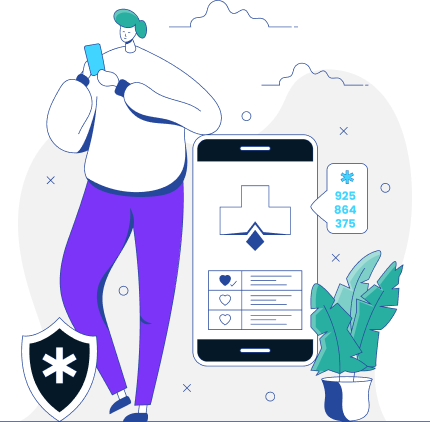
Healthcare Technology & Telehealth

Healthcare & Telehealth
Software Solutions

Amin Softtech engineers secure digital healthcare platforms, telehealth portals, remote patient monitoring systems, and clinical workflow solutions designed for reliability, patient privacy, and compliance-aware scalability.

🏥
Telehealth & RPMClinical Workflow Tech
Healthcare & Telehealth Software Development Platform
Patient Privacy & SecurityCompliance-Aware Engineering

Key Healthcare Software Capabilities

The healthcare software development industry thrives on clear communication, trust, and accessibility. We understand these needs and offer an app development service specifically designed to empower healthcare providers and improve patient experiences. Here's how Amin Softtech can transform your healthcare department:

01

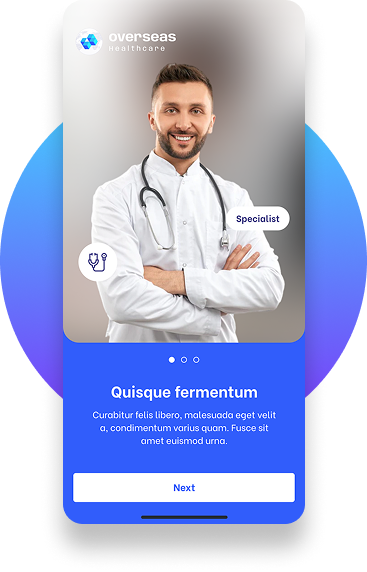
Patient-Centered Telehealth

Remote Consultations: We engineer intuitive telehealth portals with high-definition audio/video communication, digital waiting rooms, and integrated appointment scheduling.

Clear Navigation & Accessibility: Designed with clear information architecture, accessible navigation, and multi-device responsiveness for diverse patient populations.

Appointment Workflows: Automated appointment booking, real-time doctor availability calendars, and multi-channel reminder notifications to reduce scheduling friction.
02

Compliance-Aware Data Security

Privacy-First Architecture: Engineered with healthcare security and privacy requirements in mind, incorporating end-to-end data encryption in transit and at rest.

Role-Based Access Control: Granular user authentication and permissions ensuring sensitive patient records are accessible only to authorized medical personnel.

Clinical Audit Readiness: Structured event logging and trace records supporting organizational governance, security monitoring, and regulatory alignment.

03

Remote Patient Monitoring (RPM)

Vital Telemetry Tracking: Secure data ingestion frameworks connecting patient monitoring wearables and digital medical devices with provider portals.

Patient Portals: Empower patients to view lab results, securely communicate with care teams, review treatment summaries, and manage prescriptions.

Scalable Infrastructure: Cloud-native backend microservices designed for high availability, fault tolerance, and clinical workflow reliability.

Why choose us for healthcare software
development services?

01

Clinical Workflow Understanding & Patient Focus

We prioritize developing user-friendly, intuitive software solutions that enhance the patient experience while aligning smoothly with clinical workflows, appointment management, and care coordination.

02

Comprehensive Telehealth & Platform Engineering

Our engineering team delivers full-stack healthcare solutions, from mobile patient portals and remote consultation platforms to EHR integration assistance and device telemetry ingestion tailored to your operational requirements.

03

Security, Privacy & Scalable Architecture

Designed with healthcare privacy, data security, and regulatory considerations in mind. We implement role-based access controls, encrypted communication channels, and scalable cloud infrastructure designed for reliability.

04

Clear Communication & Agile Collaboration

Close collaboration and clear communication guide our development approach, keeping your clinical and administrative stakeholders informed through transparent sprint cycles.

05

Reliability, Maintenance & Support

Our skilled developers provide high-quality engineering, comprehensive testing, and ongoing support to ensure your digital healthcare software functions smoothly and evolves with changing organizational needs.

AI-Assisted & Emerging Technologies in Healthcare Software

We engineer strategic digital healthcare platforms and AI-assisted tools designed to streamline clinical workflows, enhance remote patient monitoring, and improve care delivery while prioritizing patient privacy and data security.

AI-Assisted Digital Healthcare Software Architecture Illustration

AI-Assisted Clinical Documentation

Documentation Workflow Support: AI models can assist clinicians by structuring clinical notes, generating encounter summaries, and organizing patient histories for medical review.

Reduced Administrative Burden: By assisting with routine documentation tasks, AI tools help alleviate physician burnout and streamline EHR data entry.

Terminology & Coding Assistance: Assists in mapping unstructured notes to standardized medical terminology codes under human clinician verification.

Patient Triage & Appointment Support

Intelligent Intake & Routing: Interactive patient intake portals assist in gathering preliminary symptom descriptions and routing patients to appropriate specialty care.

Automated Scheduling: Natural language virtual assistants answer common logistical inquiries and guide patients through online appointment booking.

Care Navigation: Assists patients with pre-visit instructions and post-consultation follow-up scheduling.

Diagnostic Workflow Decision Support

Clinical Decision Support: Algorithms assist physicians by analyzing patient health histories and relevant medical literature to highlight relevant patterns for clinical review.

Anomaly Highlighting: Flags potential trends in lab telemetry and patient vitals for prompt medical evaluation.

Physician Oversight: Designed strictly as decision support tools that empower medical professionals rather than making autonomous medical conclusions.

Remote Patient Monitoring (RPM) Telemetry

Continuous Telemetry Ingestion: Scalable data pipelines ingest and process patient health device telemetry in near real-time.

Threshold Alerts: Automated alerts notify care teams when patient biometric thresholds deviate from established baseline parameters.

Longitudinal Care Coordination: Gives care providers comprehensive visibility into patient recovery trends between clinical visits.

Frequently Asked Questions

Digital healthcare and telehealth platforms provide measurable benefits for patients and providers:

Enhanced Patient Access: Allows patients to consult with physicians remotely, schedule appointments, and access health records on mobile and web devices.

Remote Patient Monitoring (RPM): Enables continuous monitoring of vital telemetry and post-discharge recovery trends outside of clinical facilities.

Clinical Workflow Efficiency: Automates intake paperwork, appointment scheduling, and patient reminders to reduce administrative workload.

Care Continuity: Improves communication between patients and multidisciplinary care teams through secure messaging and digital records.

Healthcare software requires architecture designed around security, privacy, and regulatory considerations:

End-to-End Encryption: Enforce robust encryption protocols for patient data both in transit and at rest.

Role-Based Access Control (RBAC): Restrict access to sensitive health information based strictly on verified user roles and organizational authorization.

Audit Logging: Maintain detailed, structured system event logs for security monitoring, traceability, and governance alignment.

Secure API Integrations: Utilize secure communication protocols when connecting with Electronic Health Record (EHR) systems and laboratory data feeds.

Essential features for a comprehensive telehealth and remote monitoring solution include:

• High-Definition, Low-Latency Video/Audio Consultations
• Automated Appointment Scheduling & Digital Waiting Rooms
• Secure Patient Portals & Clinical Record Access
• Medical IoT Wearable & Biometric Telemetry Ingestion
• Automated Threshold Alerts & Provider Notifications
• Multi-Channel Notifications (SMS, Email, Push Reminders)

AI technologies are designed to support clinical teams by handling routine administrative and analytical tasks under human supervision:

Clinical Documentation Assistance: Assisting physicians in structuring consultation notes and encounter summaries to alleviate documentation burdens.

Patient Triage Support: Assisting in preliminary symptom intake and routing patients to appropriate specialty care providers.

Clinical Decision Support: Highlighting relevant medical literature and patient history patterns for physician evaluation without making autonomous medical diagnoses.

Key considerations for successful healthcare software implementation include:

Clinical Workflow Alignment: Designing interfaces and processes that fit naturally into daily clinician and patient routines.

Compliance-Aware Architecture: Incorporating privacy safeguards, encryption, and access controls into the system design from the start.

Interoperability: Planning standard data schemas and API connectors for seamless communication with existing hospital and clinic IT systems.

Scalability & Reliability: Engineering fault-tolerant cloud backends capable of supporting high concurrent patient and provider usage.
LET'S BUILD TOGETHER

Contact Us for
Project Discussion

Have an innovative idea or need an enterprise-grade digital solution? Fill out the form, and our solutions architects will analyze your requirements and reach out within 24 hours.

Email Our Teaminfo@aminsofttech.com
Direct Line / WhatsApp+91 99988 87766
HeadquartersAhmedabad, India & Global Remote Teams
100% NDA Protected
24-Hour Response
Free Technical Scope
User
Email
Phone
Service